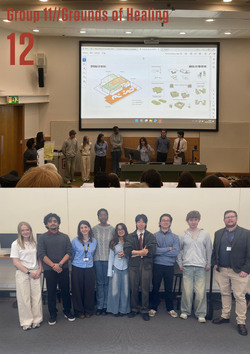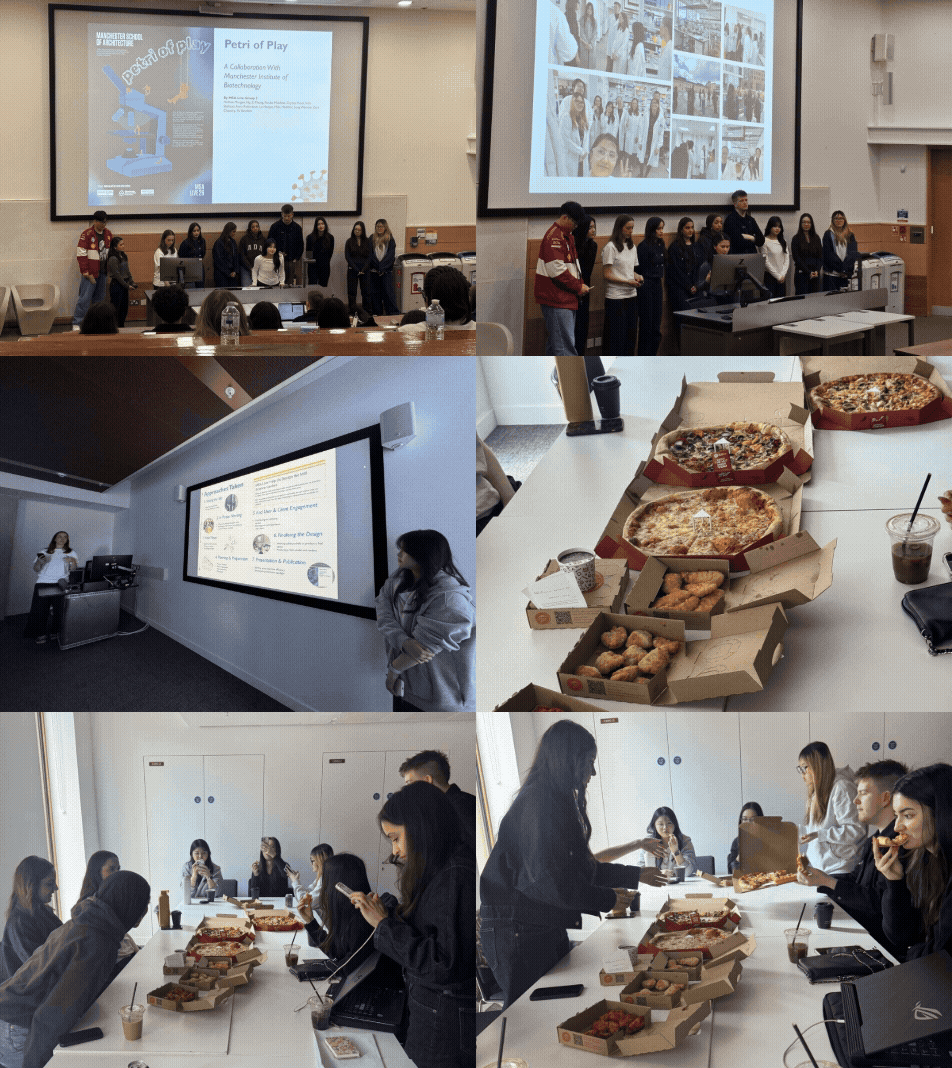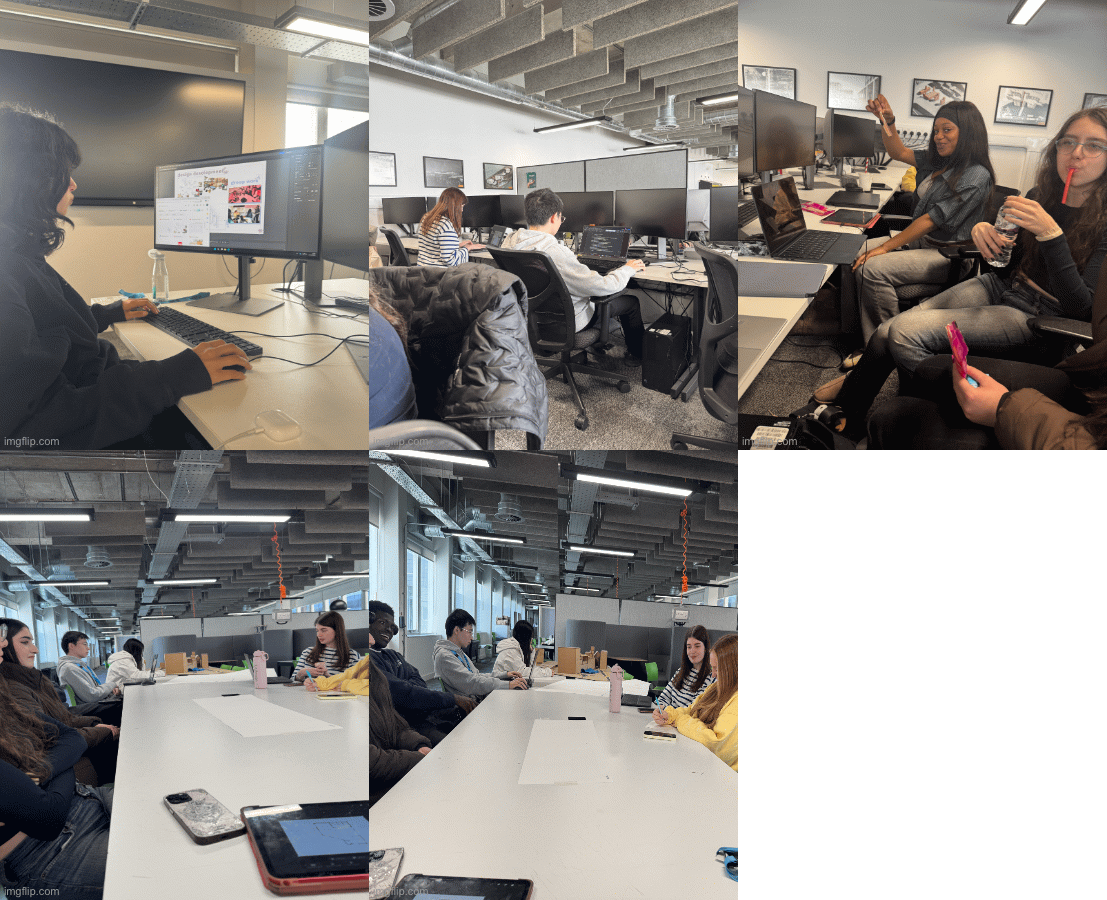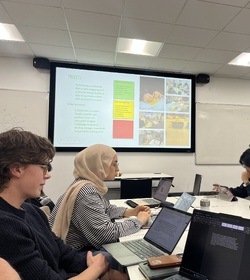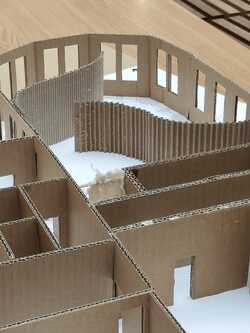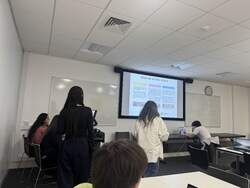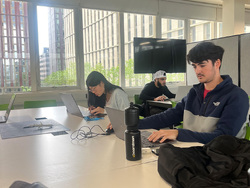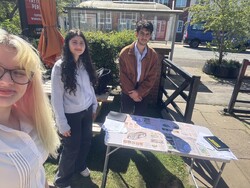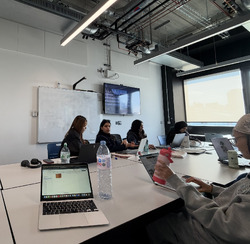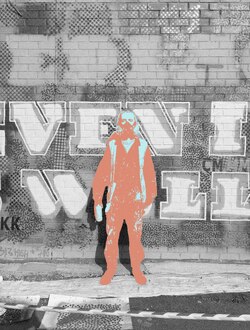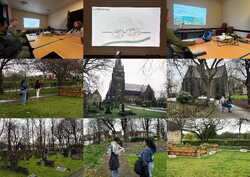
This week we met up and drove to Monton Unitarian Church for a site visit. We were able to walk around the bowling green, taking in the surroundings, photos, and relevant measurements.
We then met up with our client, Reverend Anna, and presented the work and design we made so far. She liked the design as well as the precedents we used for it and had feedback about changes she would like to see: prioritising a fixed roof over fixed structure (better weather proofing), feedback on size & location of structure on the site, and overall feedback on expectations.
Overall we enjoyed the site visit as well as Anna’s feedback very much, and found it very valuable. We established some next steps, and discussed the feasibility & budget of the project. As it is ambitious with the given budget, we might have difficulties to see the project to construction within the time given. Therefore we mentioned the possibility to work towards a finished design & fundraising for next year’s group (or potential different adaptive reuse projects).
Team trip to Wigan- PART 1
Future of St Nathaniel's Church- 31/03/26
Our visit began with a discussion with our collaborator, David, who gave us more insight into Wigan's neighbourhood context as well as the value of bettering the community for the future. We then headed to St Nathaniel's Church where we were met with Lisa, a member of the Church community who shared invaluable insight into the realities of running activities on the site today. Several challenges were mentioned including: multiple entrances making supervision difficult, potential fire safety concerns with locked doors, teenagers sometimes arriving on e-scooters, raising safety and behavioural issues, antisocial behaviour and security being an ongoing concern and many families connected to the church facing complex social challenges including substance misuse issues affecting parents.
This conversation stood as a reminder that designing a youth space isn't just about architecture but about understanding people, safe guarding and creating an environment that supports community needs. With that in mind, we reviewed architectural plans, analysing how the building's existing layout could evolve into a space for different users and age groups. Some practical ideas discussed included: flexible hall with fold-away chairs, dividing walls to allow activities to run simultaneously, dedicated storage areas and improved circulation and clearer supervision zones.
Having observed the rooms within the Church and its interior and exterior make-up, it was time to propose our concept and ideas to deputy headteacher of Platt Bridge Community School, Carly. We shared initial thoughts on how the space could evolve into a flexible youth centre whilst also listening to how the school currently supports its students beyond the classroom. Having spoken to the community and spent time understanding the site, our next step entails exploration into potential spaces for the community.
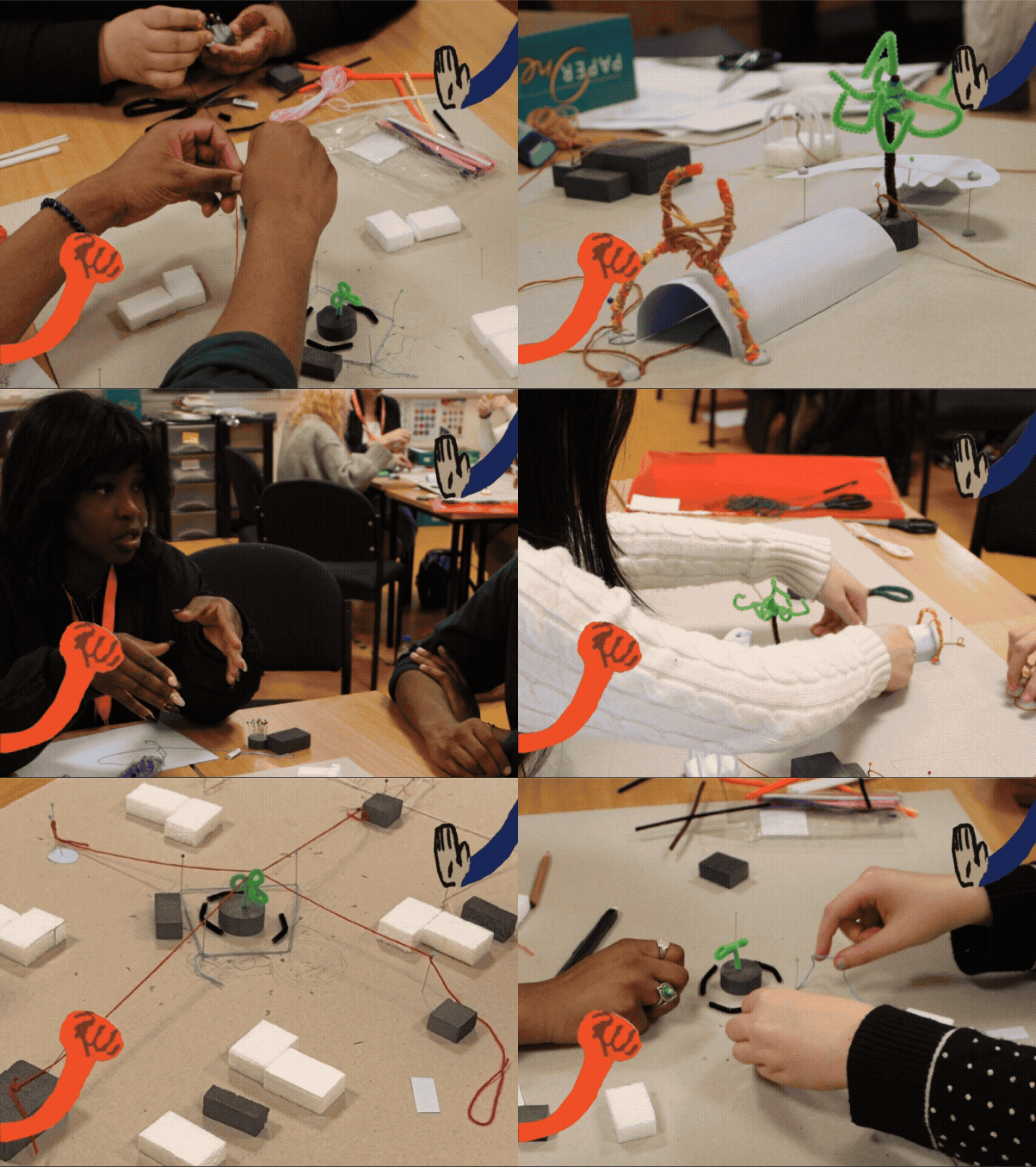
In Session 4, we visited the HYP Youth Centre in Hyde, Manchester, where we delivered an engagement workshop with the children to better understand their wants and needs for the final project.
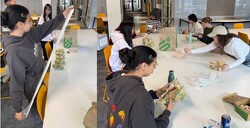
Prior to the session, we prepared a series of activities to support this process. These included a questionnaire, a drawing activity, and an interactive mapping exercise using a laser-cut site model with movable pieces to encourage participation, spark conversation, and help the children express their ideas in an accessible and creative way.
We also ensured that all ethical requirements were met in advance of the workshop. This included obtaining the necessary approvals and carrying out risk assessments.
After introducing ourselves to the children and vice versa, enthusiastic discussions developed and ideas began to be shared about how their youth centre could evolve. They confidently expressed their aspirations for the space, describing how they would like it to look, feel, and function which helped us understand how to design for both themselves and future users.
The activities and discussions not only provided valuable insight for the project but also sparked a wider interest in architecture as a potential career, encouraging the children to think about their own future aspirations and possibilities.
Finally, we visited the site in order to understand how the space looks in reality, explore current conditions and begin the design process.
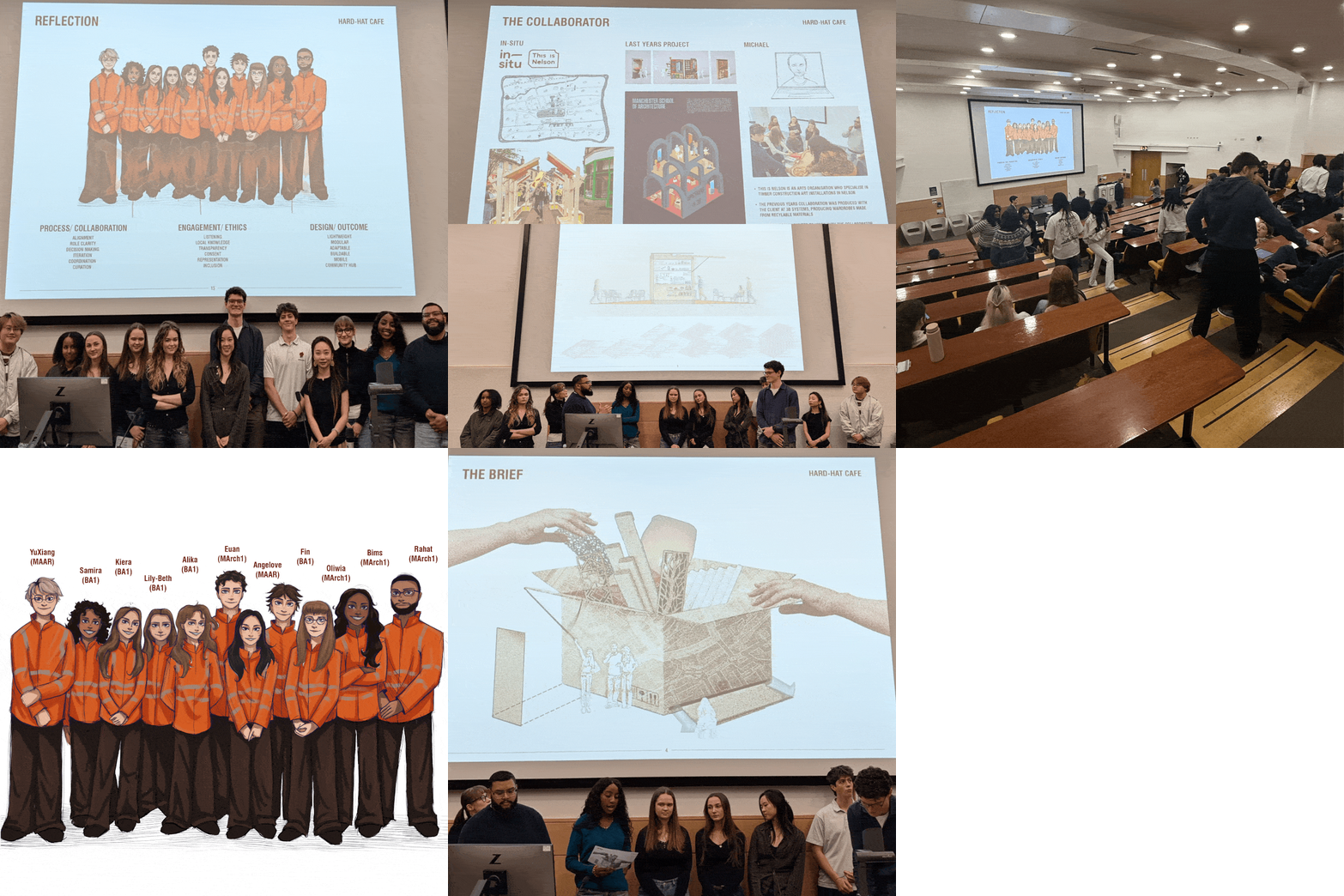
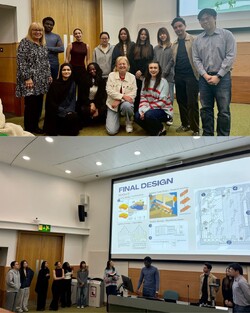
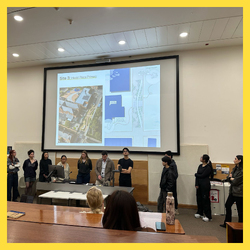
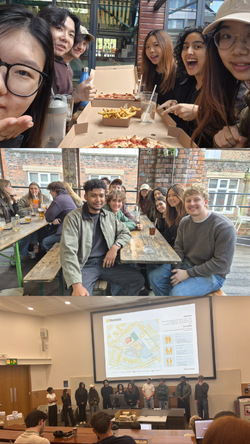
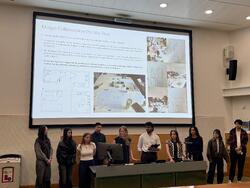
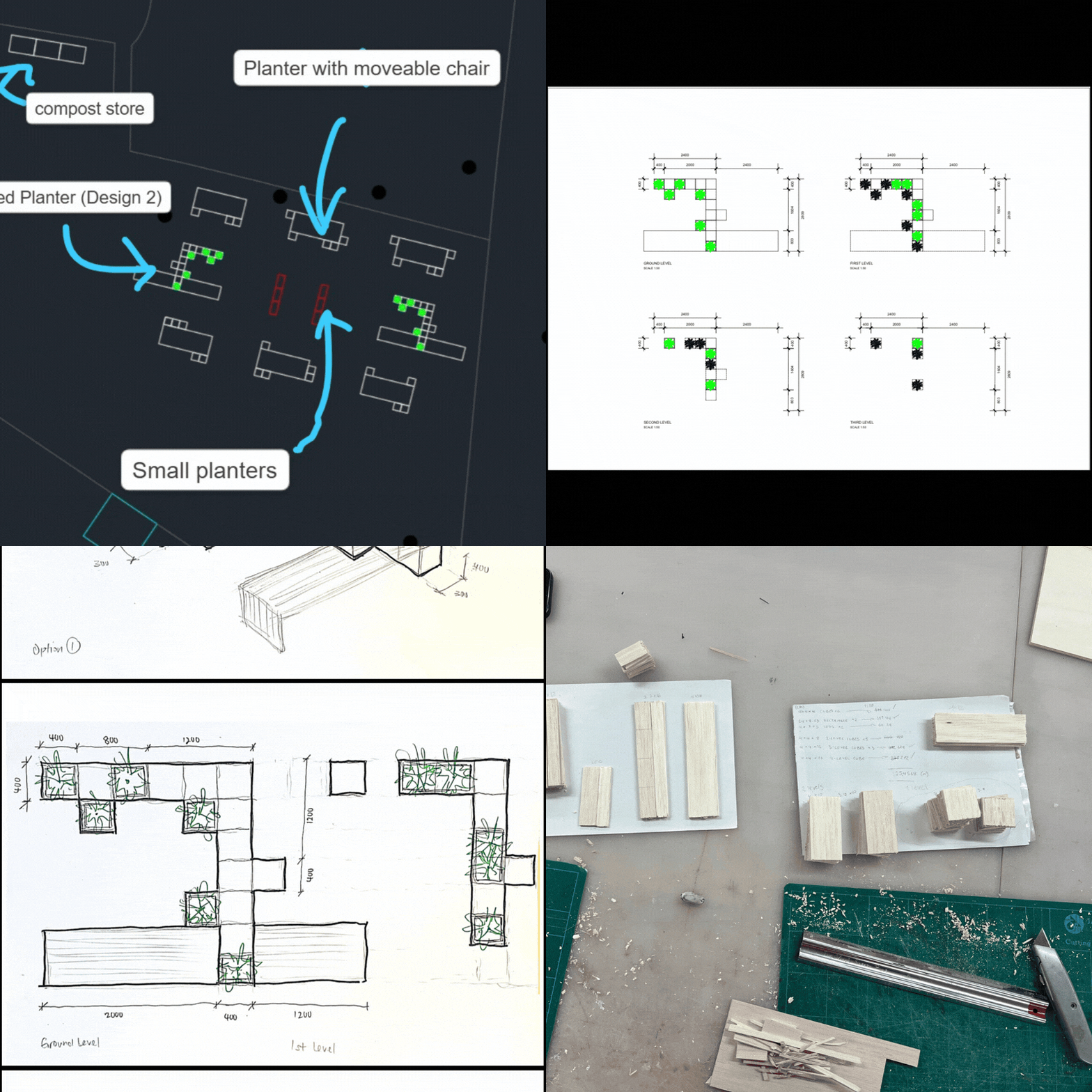
We arrived with various ideas and iterations before gathering for thought exchanges. This collage illustrates the thought process we went through before arriving at the final poster!
Finalising Design Directions & Preparing for the Site Meeting
17 March 2026
In our fourth group session, we focused on consolidating design ideas and planning for the upcoming site meeting on 31 March. The team engaged in detailed brainstorming on the interior spaces of the Hartley Huts, reviewed initial sketches and material studies, and incorporated structured feedback on our project plan from our tutor Jason.
To prepare for the client presentation, we have outlined the following deliverables and divided tasks accordingly. BA1 and Foundation students will take the lead in developing material studies, ramp proposals, and an indicative site plan that highlights key interventions—including the volunteer hub, heritage display hut, bridge upgrades, accessible ramp, seating areas, and seasonal event features.
The goal is to communicate our design intent clearly and gather valuable feedback, which will help us refine the proposals in the coming weeks leading to the final presentation.
We are all set for an insightful client meeting and look forward to sharing our progress!
This afternoon, we had a Teams call with our collaborator, Steve. We discussed outputs and had a conversation about the structure of the festival day. It was really useful to stay in touch, not only as a team, but also to ensure that Steve understands the creative direction we’re moving in and remains involved every step of the way.
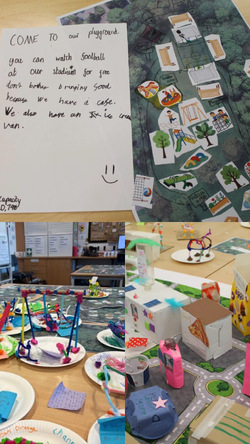
For our engagement session, once preparation was complete and despite all the hail, the engagement team managed to travel to our site. Our activities surrounded 2 primary questions about the area; the first was a post-it note pin-up board with the question being “what challenges do you [the clientele] face when coming [to the site].” This allowed the public to write their own opinions on the matter, giving us information on what the public thought could improve the area. The engagement for this was good, but contributions were more related towards access, such as car parks and paths, as well as events the leisure centre hosts. However, the second engagement activity was much more successful; we printed out a cartoon map of our selected area alongside various fun models of potential outdoor appliances with the intention being that the participating public could create their own ideal outdoor space. This was placed alongside the question “What would your perfect outdoor space look like?” This activity gave us a range of different responses across all ages; the younger audience preferred a playground area, including slides and climbing frames. Some of the older members agreed with this, including seating areas to watch their kids and to relax after the gym, whereas some just preferred a nice seating area with a lot of greenery which we noticed was absent in the surrounding area, a place to have a picnic for example after the gym. A common theme was not to include outdoor gym equipment, as a lot of the members were content with all the equipment in the gym. Overall, this engagement activity gave us a variety of useful opinions on what the site needs and how we can please all members of the leisure centre.
Hi, I'm Cayden, a first year architecture student. I grew up in Malaysia and, so far, studying in Manchester has given me an entirely new outlook on architecture on top of my previous perspective.
In this project, I am excited to gain some insight into the experience of working in real-life industry and the dynamic of between collaborating parties, in this case between MSA and The Rossendale Digital CIC.
Session 6: Collaborator Meeting and Workshop Planning
This week’s session focused on our meeting with the collaborator and on clarifying how the upcoming workshop should be structured. It was a useful discussion that helped us move from vague ideas towards something more organised and realistic.
A key part of the conversation was about participation. While the ideal number would be around fifteen people, we discussed that the main requirement from the university’s point of view is to have at least eight participants over the age of eighteen. This brought ethics and safeguarding into the discussion, especially around how information will be collected, explained, and stored safely. It was a reminder that community engagement is not only about generating ideas, but also about making sure the process is responsible and well managed.
We also talked through how we want to present our ideas during the workshop. Rather than arriving with a fixed proposal, we agreed that it would be better to keep things open and allow participants to shape the direction of the project. Floor plans, site images and precedent references were suggested as useful tools to help people visualise possibilities and respond more easily. We also discussed print formats and how large the plans should be, thinking about how people could interact with them through stickers, notes or annotations.
One of the most interesting parts of the discussion was around the actual purpose of the space. Although the project is connected to a church setting, the conversation raised the possibility that the final outcome may be more community-focused than strictly religious. This felt important, as it showed that the brief is still developing and that the workshop will play a real role in defining what the project becomes.
By the end of the session, tasks were becoming clearer. Images and screenshots from the meeting were being shared, a written summary was planned, and responsibilities for the blog post and follow-up were assigned. Overall, this meeting helped us feel more prepared and more aligned as a group.
A productive and necessary step forward. Less about final answers, more about setting up the right questions.
Today we had yet another successful meeting. We started as usual looking the research and produce we brought in. As the MAs continue to work through the 3D maps, the MArchs and the BAs discuss the hub’s materiality, furniture, location and innovation sustainable features. This will allow us to scope down the range of our design output later on. After narrowing down the useful ideas, we revised out timeline and confirmed the date April 21st as our engagement day, working to gain public opinion. We tasked ourselves with bringing in materials and completion of the 3D maps. Additional meetings before the date will be informed through our group chat as usual. We got this!
10/02/26
Following Sethika and Aidira’s meeting with Walaa, our group decided to take Walaa’s advice to further educate ourselves about South Sudan by watching „Goodbye Julie”. We then discussed our experiences watching the film in our following meeting.
W5.2: 24/03/2026
Post collaborator meeting: In general, feedback was great! The collaborators were happy with our engagement strategy, and they gave us good advice on what to implement to make it even more engaging, especially for our non-architecture audience, like printing our precedents for them to choose from and potentially including a collage activity.
In terms of our layered section proposals, we started to consider alternative divisions of the theatre's interior space; however, this would be influenced by the outcome of our engagement activity.
/ Fortnightly Progress Meeting
Today’s agenda was to discuss the details of what we are going to do during the engagement session with the Mossley community, and grouping ourselves into small teams to handle different tasks based on our strengths.
This week marked a shift from analysis towards direct engagement with the schools. Building upon our understanding of each site, as well as previous meetings with our collaborators regarding community engagement, we began planning how to involve the children and local users in shaping the design of their school streets.
A key focus of this session was balancing how to engage the children in a way that felt both accessible and empowering. We discussed possible activities where the children could feel as though they are actively reclaiming their streets through their design ideas. We also wanted the activity to serve as valuable insight and evidence to support the importance of the project, demonstrating how our design proposals would be directly rooted in the needs and aspirations of the school communities.
Possible ideas we explored for the engagement activities included using playful and temporary methods, such as water-based paint or chalk, allowing the children to directly draw on their ideas onto their streets. We also considered activities that could better fit within the children’s school schedules. One option was to set a simple design task they could do over the Easter holidays where the children could draw and write on a simplified site plan of their street.
Overall, the aim is to keep the task open-ended and easy to understand for the age group, while still generating meaningful insights that can inform our design proposals.
Looking ahead, the next stages of the project will involve organising visits to the schools and implementing these engagements activities. The outcomes of this process will eventually be developed into individual design schemes for each school site.
After a successful meeting last week, we met up to show off ideas and concepts to develop the Dandelion Community. The concepts ranged from a focus on heat and energy, to water, and to accommodating the neurodivergent users of our site, and how areas of the site can be redeveloped to improve the experience of the users of the site. Everyone brought many insightful ideas to the table, and all are to be considered and brought back to the collaborator to meet their needs for our project. As well as this, there was a successful meeting with our collaborator this morning, further refining our ideas and understanding of what Dandelion needs.
During this meeting, the team discussed the framework for the engagement activity. All the brainstormed ideas from each member will be brought up in a meeting with Sonja and Mary who has agreed to help us with arranging a stall at the Market hall. We have set out three activities that will be arranged for the groups Sonja has contacted to attend on the day. We are hoping to book the 3rd April as it is a bank holiday and increased footfall could help with collecting information and data that could inform our proposal. The three activities loosely discussed are:
- Question Boards with sticky note ideas/participant contributions
- Paper folding combined with large scale printed floor plan and photography
- Floor plan annotations and illustrations, pin up massing activity
These ideas will be more detailed and tightened up with timing, equipment and members tasks on the day clearly defined following a meeting with the collaborators.
In our fourth MSA LIVE group meeting, we consolidated our approach to initiating the conceptual design phase of the scheme. Framing our outputs as four distinct Dens of Discovery, we structured the discussion around three core strands: form and structure (including the use of natural and recycled materials), function (defining the intended use of each dwelling), and site placement (identifying specific locations informed by key landmarks and areas of interest).
Through early sketch iterations, consideration of how non-human actors might be indirectly embedded within the design, and a review of individual material and spatial preferences across the group, we established a clear and workable direction for the next stage of development.
Hi, my name is Elvira I am originally from Spain but also grew up in London. I am a BA1 student particularly interested in building community through the use of social spaces in architecture, so I am really excited about how our project in Worthington Park!
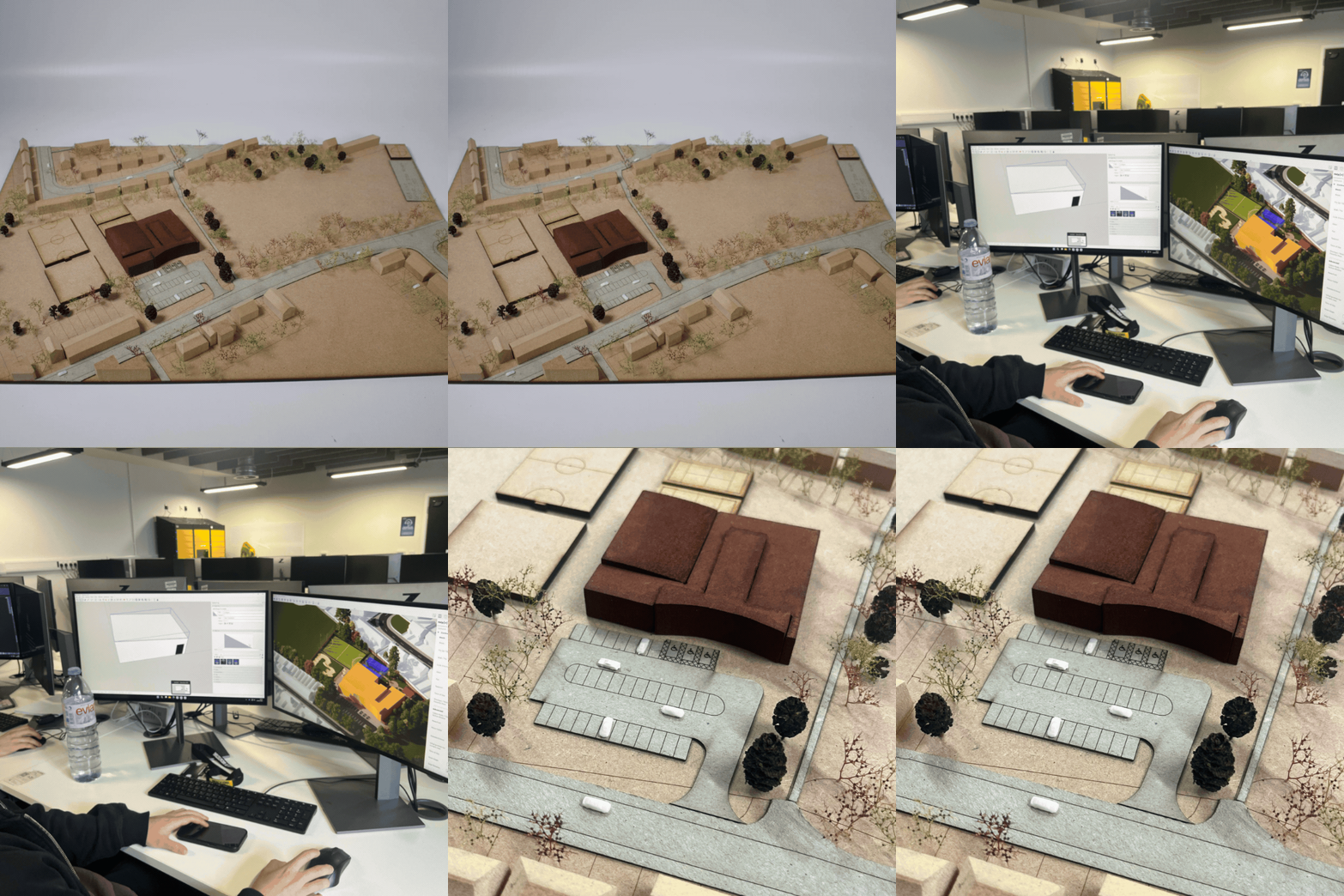
During our site visit, precise measurements were conducted. Integrating these with the existing floor plans provided by our collaborator, we have developed digital models in both Rhino and SketchUp to serve as the foundation for subsequent design development. Our next phase of engagement will involve generating drawings and renderings to explore and present design options for our end-users.
During this session, we were tasked with completing our risk assessment, budget proposal, and project proposal. As a group, we discussed how our project would develop over time, carefully planning a timeline that would allow us to make the most of the work ahead.
We identified two key groups from the list provided by our collaborator that we would engage with for the upcoming workshops, ensuring that our approach is both relevant and inclusive. Alongside this, we began outlining a budget plan based on the resources and materials we anticipate needing. We also had a discussion with our tutor to better understand the purpose of the risk assessment and how we could minimise potential risks during site visits and throughout the project.
In addition, we started working on our Ethos application, considering how our project aligns with broader values and responsibilities. As a group, we had an open conversation about what is important to us within this project, reflecting on how we are distributing roles, whether any adjustments are needed, and what we each hope to gain from the experience moving forward.
Our group met again today, powered by good vibes and even better weather. We discussed our upcoming workshop activity, agreed on a date, and set out clear action points for the next few weeks to help us prepare. We also received feedback on our timeline, budget proposal, and risk assessment. By the end of the meeting, the group split up to refine and finish these documents.
Hi! I’m Rouba, a first-year Architecture student at MSA. I’m really excited to take part in MSA Live, as it is a valuable opportunity to connect with architecture students across different year groups and gain insight from their experiences. I’m particularly looking forward to developing my skills and contributing positively to spaces within our communities.
17/03/2026. Group brainstorm seesion with Matt. We discussed ideas for potential activities and considered what the final level of completion for the project might look like. Matt also provided feedback on several details, such as the project background and strategies for encouraging public participation in the activity survey.
Setting up the project! With the 6 March submission deadline looming, last week was a bit of a ‘get our act together’ moment as we worked through submissions for the project timeline, ethics application, risk assessment, and budget proposal - tedious, but necessary planning bits.
We mapped out a timeline structured through project stages and weekly tasks, from early definition and briefing through concept design, coordination, technical development, and final handover. It became painfully clear what depends on what, especially that engagement has to wait for ethical approval. We received feedback soon after submission and found our ethics application needed more work, so we’re now reworking it properly around being respectful and explicit on consent, inclusion, and representation.
Alongside that, we completed a risk assessment covering things like model-making, site visits, and public engagement, with controls in place to reduce risk. Finally, we submitted a budget proposal capped at £100, balancing practical needs (materials, printing, travel, stakeholder refreshments) with the most important line item: a “submission treat (pizza!)” to keep morale intact.
With the planning in place, we can move forward with a clearer structure, shared expectations, and (hopefully) less chaos.
As a group we went out on a site exploration, following a suggested route that we developed for our project. Starting by Platt Fields Pond, we walked through the park, chatting and making note of the surrounding environment. We then walked through Rusholme, passing multiple green spaces and noting their clear potential, while also acknowledging drawbacks and how to tackle them. Our walking route ended in Whitworth park, and we then continued to the MTC to consolidate our thoughts and findings. It was a lovely way to both generate ideas from the site, and interact with each other more after our first meeting. This was a very valuable day!
Our third MSA Live session focused on finalising our ethics application and having another site visit. We started by reviewing the ethics documents prepared last week, ensuring all our administrative documents were in line with the requirements. In doing so, we evaluated our planned community engagement activity and realised it required modification to align with our collaborator’s vision for the project. Taking this on board, we held a brainstorming session to develop a new engagement activity and updated our risk assessments to ensure it applies to our modified community engagement activity.
Once the ethics application was complete, we shifted our focus back to the site. The group travelled to Holt Town for another site visit, walking the stretch down to New Islington. This on-the-ground exploration was crucial; it allowed us to gather primary data for our site analysis and begin identifying the most strategic, high-potential locations for the new transportation hub.
Brief Review
03/03/2026
With a deeper understanding of the task and its potential outputs, we deemed it crucial to look at plans of the site and its surrounding regions. Our collaborators highlighted regions of the area that might be ideal for development which we further explored. In doing so, we also thought about other considerations such as the regions within the green belt which may either aid or restrict certain developments. This provided clarity of the site, particularly in anticipation of a site visit!!!
Like the history of the Baths themselves, we want this project to champion community involvement. This means that before any designing takes place, it is important that we understand what the community wants, so that this can guide us throughout the design process.
To explore this, we devised a survey intended to help us learn what users of the Baths feel is currently missing from the site, as well as what they would like to see more of.
When visiting the Baths last Friday, I gained staff consent before conducting the survey. To include a range of voices and reduce bias, I aimed to interview both users and staff across a variety of ages, genders, and backgrounds.
While the answers provided many useful insights, the conversations that emerged from some of the questions were just as valuable. They helped me understand how people use the Baths in different ways, and how any potential redevelopment could affect them differently.
Stay tuned for more public engagement exercises and updates on how these will inform our future design!
This week, we finalised our project timeline and reassessed our budget and risk assessment following further discussions about what our community engagement task with the people of Stockport could involve. After brainstorming ideas as a group, we agreed on a final concept. We then discussed the budget required to carry out the activity and identified the potential risks involved in implementing it.
In addition, we revisited a task set during the previous meeting in which each group member created visualised collages representing their individual interpretations and responses to the site. When considered alongside further research into the history of the area, this discussion began to shape the direction of our project. As the brief allows for flexibility and creativity, this process helped us begin defining a clearer focus for our project.
Today we brainstormed ideas on how to engage with the community at the garden ahead of our second site visit next weekend. We decided to collate precedents of water features which we will print and show the volunteers and members of the Salford Croquet Club who play on Saturday afternoons. We are planning on giving them coloured paper to vote for which ideas they like or dislike, allowing us to get a holistic idea on what design style is favoured before we start designing the water feature in the coming weeks, as well as allowing the community to have a say in the design process.
17/02/2026
Today was our second scheduled meeting. Starting with the poster we discussed the current design and suggested improvements to be made before the submission. We uploaded our project description, completed our first few blog posts and started to talk over our: project timeline, budget, risk assessment and ethics application. Finally we divided up the tasks for the next two weeks.
This day was more about coming together after meeting with our collaborators to develop our ideas for the project and also to think about our project timeline and costs. We split up the tasks so that they were equally divided between all the group members for efficiency. We also worked together in brainstorming activities for the year 4 students, which allowed us to find similar precedents for inspiration and to use as a reference when communicating with our collaborators. Our structured approach for the day improved our overall productivity and created a strong sense of teamwork within the group.
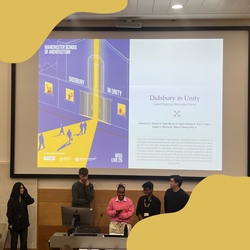
On our second group meeting, we focused on further improving the poster and its supporting description. We discussed the overall look and its definition of United Didsbury church, including texture, layout decisions, and agreeing on clear titles that communicate the project direction.
Project direction
We then divided into smaller groups to cover the key project strands. This included developing the risk assessment, outlining ethical considerations, setting up the project timeline, and starting a basic budget framework so we can track deliverables and responsibilities more clearly moving forward.
This Monday, Group 5 took the initiative to visit the site in Macclesfield for the first time. After meeting with our collaborator, she guided us on a tour through the museum, walking us through each exhibition space and sharing her perspective on the current challenges the site faces. Seeing the space in person immediately helped us better understand some issues we had previously discussed. One challenge was that the exhibitions felt disconnected from one another in accessibility and theme. The access points between rooms were often unclear, which made navigation confusing and disrupted the overall visitor journey. We also observed that some areas felt cluttered, with displays competing for attention, while others were much more thought-out. The room with the looms and historic flooring, in particular, stood out for its thoughtful layout, demonstrating how impactful the space could be when designed with care. This contrast highlighted the potential for improvement across the rest of the museum. The layout itself was occasionally disorienting. For example, the first exhibition visitors encounter focuses on ancient Egypt, which feels unrelated to the museum’s core theme of silk. This raised questions about how the museum's narrative is introduced and whether the sequence of spaces could be restructured to create a clearer, more cohesive story, for example, by moving the initial access point and the cafe to the other side of the building. During the visit, we documented the space by taking measurements and photographs to support our later analysis and design work. This practical step felt important, as it gave us concrete information to refer back to when developing our design proposal. Overall, the visit was extremely valuable. Experiencing the museum firsthand gave us a much clearer understanding of both its strengths and its problem areas, and it helped ground our ideas for engagement and design in the realities of the space. The trip left us feeling better prepared for the next stage of the project.