
Hello!

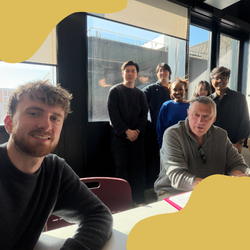
My name is Logan from Bramhall, Manchester and I am in MA1. Before starting my Master’s studies at the MSA, I completed an undergraduate architecture degree at Newcastle University. Following this, I worked at TateHindle in London, where I contributed to various residential, commercial, and masterplanning projects, while establishing strong working relationships with fellow architects, clients, contractors, and engineers.

I have a strong passion for creating spaces that form deep-rooted, positive, and interactive relationships with their surrounding environmental, social, and architectural landscapes. Central to my approach is the concept of landscape thinking as a lens for design at all stages of the process, embedding sustainability from the outset rather than treating it as an afterthought. I am looking forward to applying my past experiences and interests to this project as well as developing new ideas and skills.
Posted 20 Feb 2026 14:52
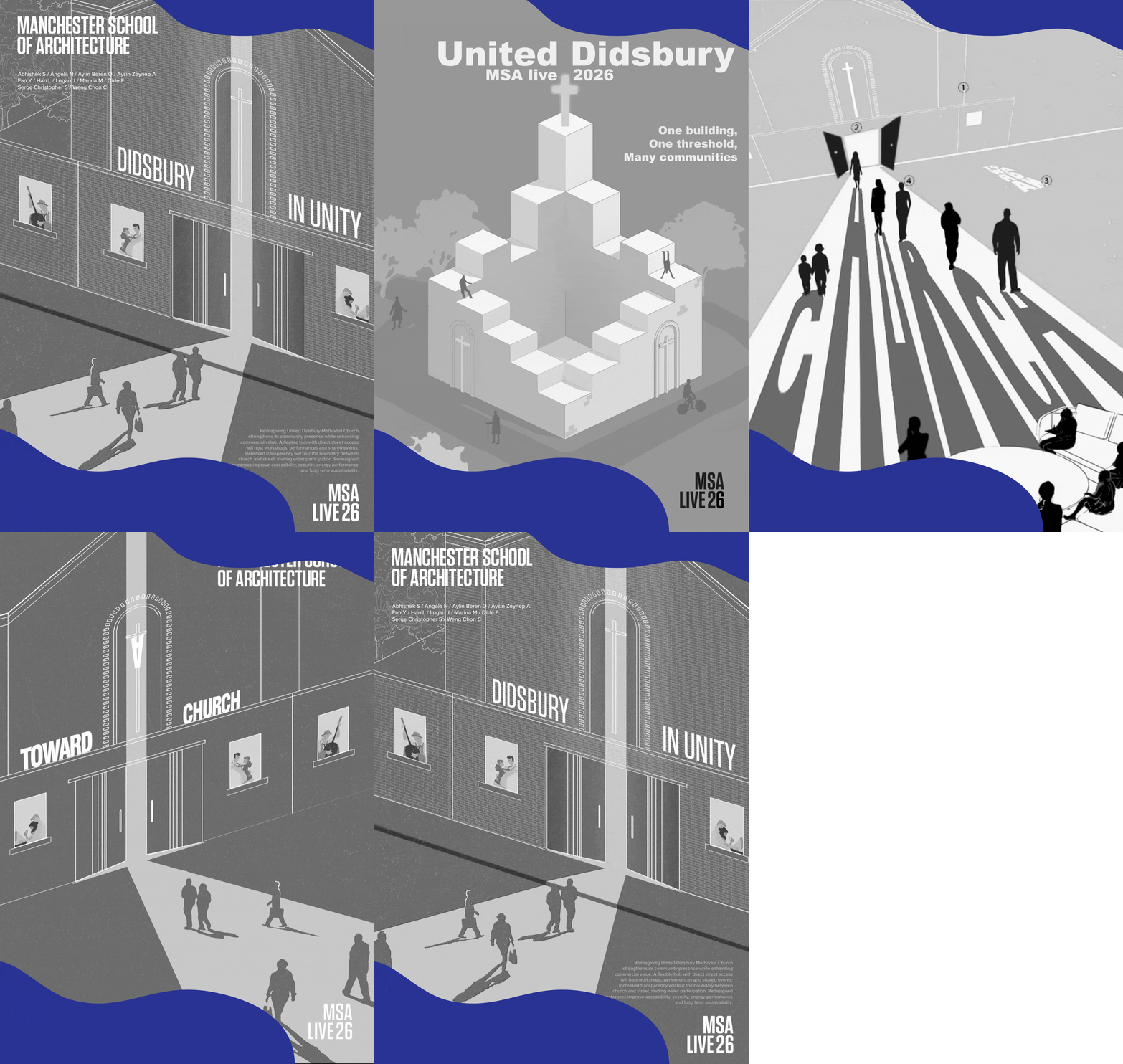
Poster Development - 20/02/26

The images above illustrate the development journey of our poster, from the initial concept sketches through to the refinement of the final selected design. Throughout this process, our discussions focused on reflecting the priorities identified by our collaborators, ensuring that the poster aligned with their ideas for improvement, experiences, and understanding of how the existing space functions for all user groups.

The final design aims to communicate the opening of the church to the wider community and surrounding street. It highlights key concepts identified during the initial collaboration discussions, including improved transparency, clearer and identifiable signage, enhanced entrance routes, and improved accessibility for all members of the community.

The collaborators highlighted these themes as essential to making the space more appealing and accessible to a wider range of users. They acknowledged the ageing demographic of current church members and emphasised the need for the space to be designed to accommodate a variety of user groups, creating an improved, more welcoming and inclusive environment for all members of the community. Through our poster we attempt to highlight these key aims.
Posted 14 May 2026 19:04
Meeting 03 – 17/03/26

This stage of the project focused on creating the plan for our project engagement activity and overall project through a budget, project timeline, ethics application, risk assessment, and general project planning. These early planning stages helped us set out how the project will proceed forward over the few months.

We created a detailed project timeline that organizes the semester into tasks and deadlines including blog submissions, site analysis, initial idea development, engagement workshops, developing proposals, and final presentation outputs. Mapping the process made it simpler for us to understand connections between tasks and emphasized how important time management and collaboration will be throughout the project.

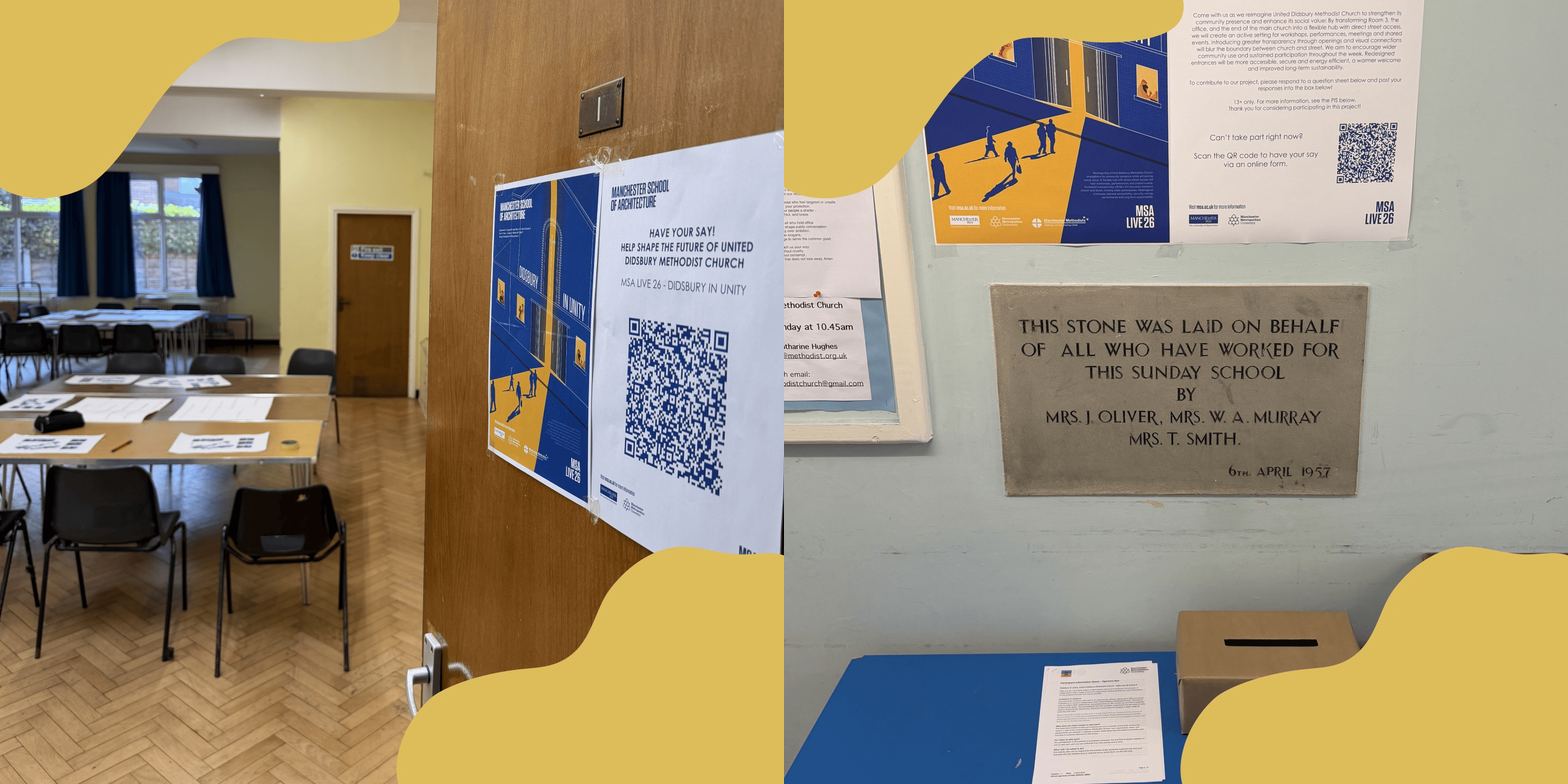
At the same time we prepared the risk and ethics documentation, budget allocation and resources required for the series of engagement activities we had planned, a site visit, a presentation of initial ideas, an engagement workshop and a QR code and opinions box. We talked about consent, inclusivity, professional communication, and how the project will consider the contributions of its members. Before the engagement day we met with our collaborator, Dave, to ensure transparent communication and finalisation of the logistics of the engagement day.
Posted 14 May 2026 20:24
Site Visit - 21/03/26

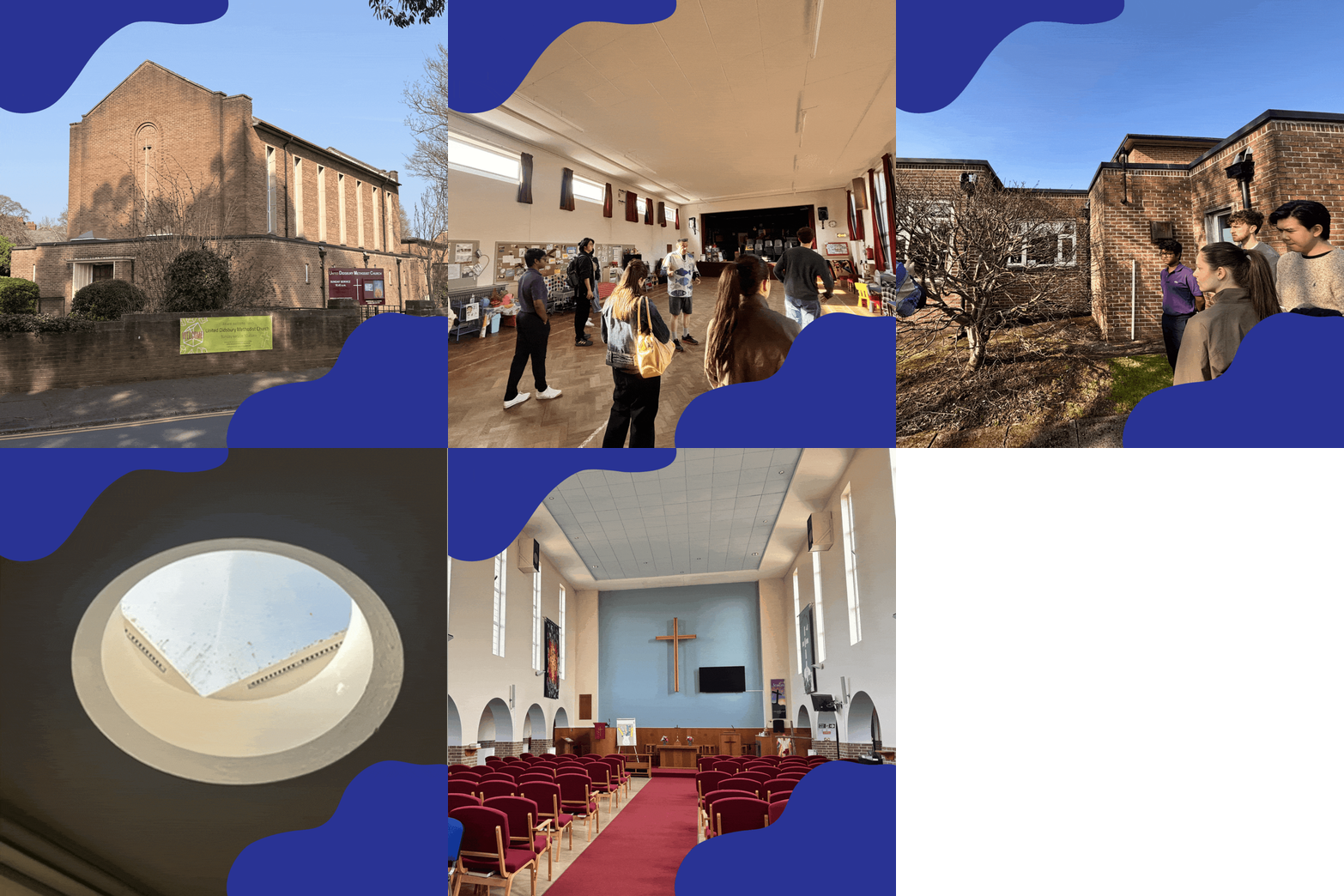
Our group was welcomed by Rev. Catharine Hughes and Dr. Dave Armstrong to the Didsbury United Methodist Church to observe the building, gain insight into its current uses, and get to know the communities that use it. This site visit allowed our collaborators to explain the issues within the building more clearly, which helped us visualise the changes that could be made to the site. This visit allowed us to see the church's current state and begin to understand its range of demands as a venue for various community activities as well as a place of worship During the visit, we saw each of the spaces and took measurements of these areas. This helped us to understand where impact and improvement could be made and visualise our initial ideas for development.
Posted 15 May 2026 01:34
Engagement Presentation - 21/03/26

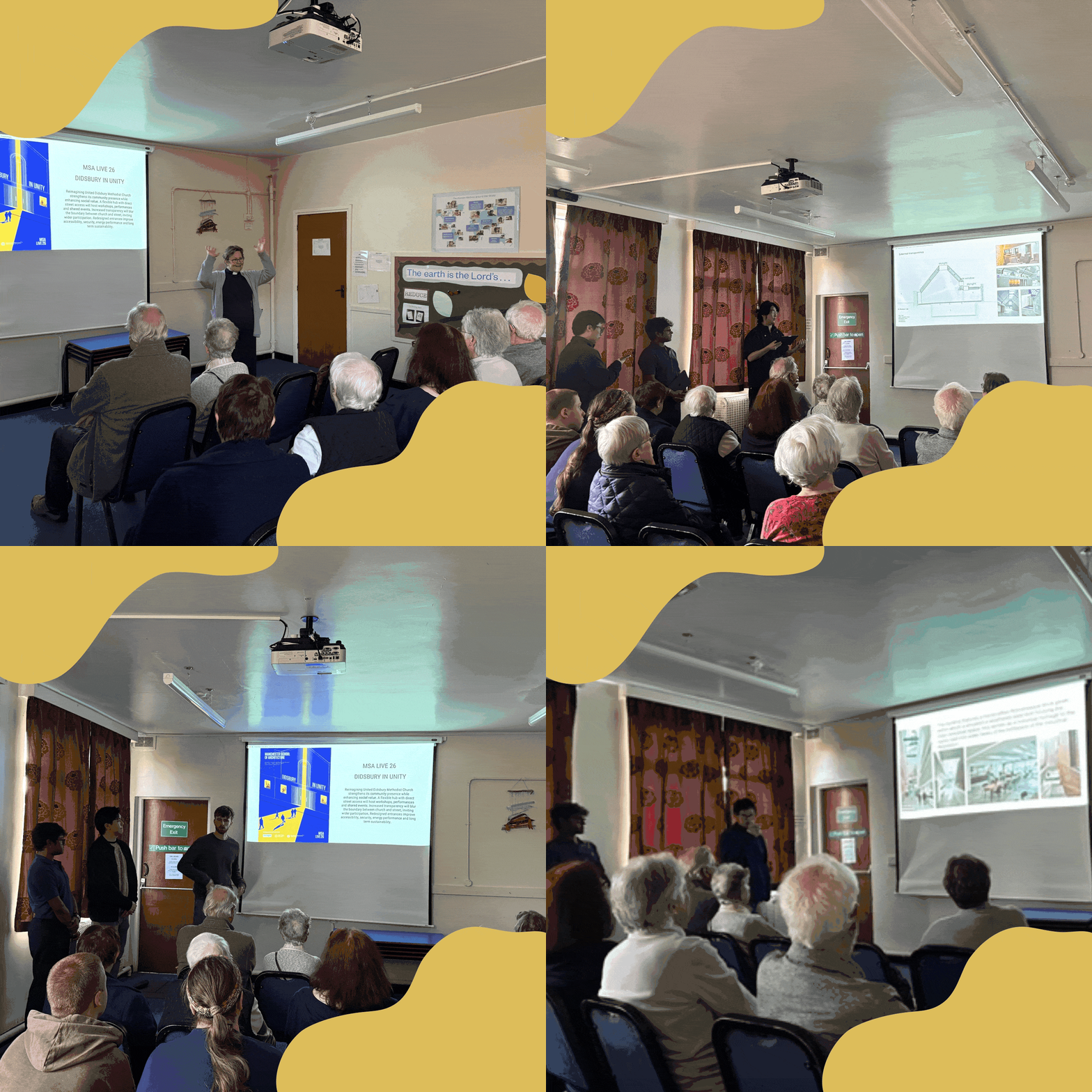
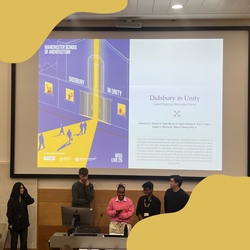
As part of our project, we presented our initial design intentions and interpretation of the building to the United Didsbury Methodist Church community. Presenting to the wider church community provided an opportunity to share the proposed design direction, outline our plans moving forward, and gather initial feedback from both the users and the client.

During the presentation, we first discussed the purpose of our visit and introduced the key design principles identified through previous meetings with the client, including diversity, community, and accessibility. We then presented our initial design concepts and relevant precedents to give attendees a clear understanding of the project’s progress and overall vision.
Posted 15 May 2026 01:40
Engagement Workshop - 21/03/26

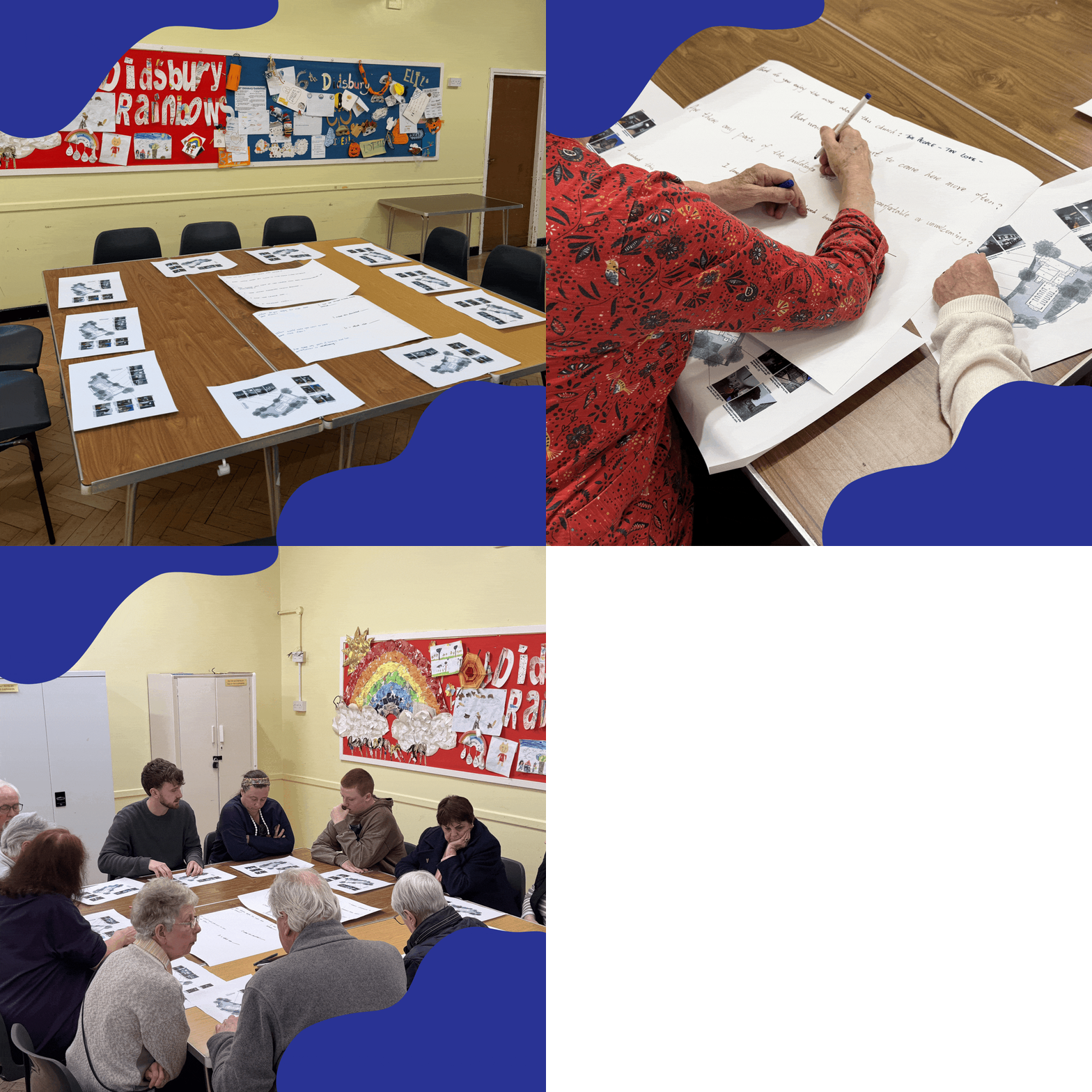
After the presentation, we organised an engagement workshop with both the client and members of the church community, with the aim of gathering their opinions, experiences, and feedback.

Prior to the workshop, we developed a series of questions designed to help us better understand the users’ perspectives. These included questions about what they value most about the church, how the space makes them feel and what improvements they would like to see in our scheme. These prompts formed the basis for open discussions with the users and the client, allowing us to gain a better understanding of their experiences, interpretations and ideas for the space.

To encourage participation, we wrote the questions on multiple sheets of A1 paper so that participants could easily note down their thoughts and ideas. We also provided printed floor plans alongside images of the different rooms and hallways, helping users to navigate the spaces more clearly and annotate specific areas with comments and suggestions.
Following the workshop, we were able to collate and analyse the responses, using them as a foundation for our ongoing design development. This process ensured that our proposals responded directly to the outcomes of the collaboration and reflected the needs and aspirations of the community.
Posted 15 May 2026 02:02