Group 05
WHERE STILLNESS LIVES

For many women, quiet is constantly interrupted. 'Where Stillness Lives' reclaims it as an architectural right. Reimagining the former bowling green at Monton Unitarian Church, the project transforms an open, exposed field into a carefully choreographed spatial sequence - moving from active public edge to inward-facing timber pavilions designed for retreat. In response to the layered roles women carry - mothers, careworkers, daughters, partners, providers - the architecture offers not escape, but balance: a place where stillness can be held. Developed collaboratively as a collective vision, the project reflects the layered thinking of our team - combining spatial strategy, community research, architectural detailing, and visual storytelling. Together, we propose an architecture that goes beyond creating space; it creates opportunity, offering women a protected place to pause, reflect, and simply breathe without interruption.

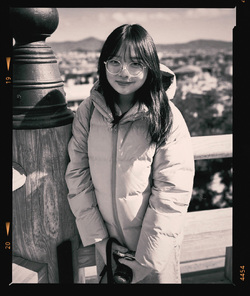
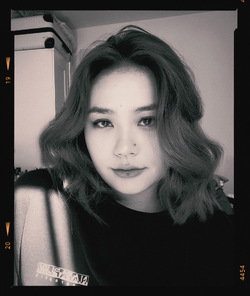
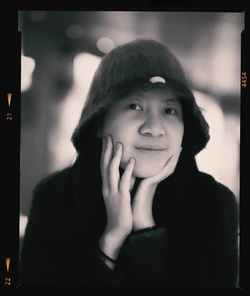
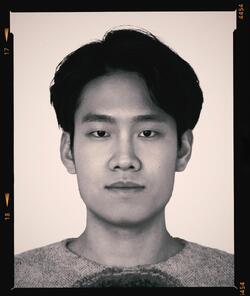
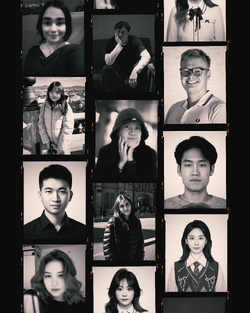
Ayse Naz K / Binhui X / Halima S / Hin L / Hongkai R / Kaixuan S / Kylian P / Mohammed M / Ruiqi Z / Sherry I / Yuewen L
Our team is a collective of designers from diverse backgrounds, working together with a shared focus on thoughtful, human-centred architecture. We are interested in how space can intentionally shape experience and balance openness with privacy, and creating environments that support both community life and moments of quiet.

We believe architecture can create shelter beyond structure.

- Group 5
Posted 2 Mar 2026 11:03
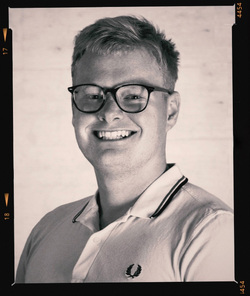
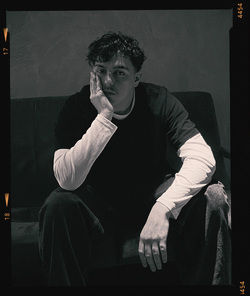
My name is Mohammed Meghraoua, I’m currently studying my MArch 1, Master of Architecture.

Coming from an Algerian and Bulgarian background and a family of artists, creativity and culture was always around me growing up. I think that’s what drew me towards architecture. It sits somewhere between art and reality. Architecture for me, lands at the intersection of structure and atmosphere. Influenced by both artistic roots and cultural duality, I’m drawn to spaces that feel intentional yet effortless, where it influences behaviour and emotion rather than just visual impact.

During my professional practice, I moved to Amsterdam, an experience that pushed me beyond familiarity and reshaped how I see both architecture and myself. Navigating a new cultural and design environment strengthened my independence and challenged me to adapt with curiosity and awareness.

Outside of architecture, photography is something I naturally return to. It’s just a way of paying closer attention. I enjoy documenting people and realities without overthinking them. That habit of observing with intuition influences how I think about design.

The MSA Live project appeals to me as it encourages thoughtful engagement with real communities and real responsibilities. I’m looking forward to growing through this collaboration.
Posted 2 Mar 2026 11:45
I'm Kylian Parvin, BA1 student at MSA.

Before beginning my studies in architecture, I spent seven years studying and working in the Merchant Navy and the superyachting industry as an officer. During that time, I had the opportunity to travel to 53 countries, experiencing a wide range of cultures, cities, and coastal environments. Living and working at sea taught me discipline, responsibility, and the importance of precision; qualities that now influence the way I approach design.

Travelling extensively also shaped my understanding of place and context. Being exposed to different architectural styles, urban conditions, and landscapes sparked my interest in how environments shape human experience. Transitioning into architecture feels like a natural progression, allowing me to translate those global experiences into thoughtful and grounded design.
Posted 2 Mar 2026 11:57
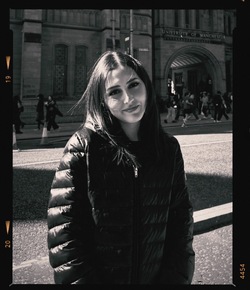
Hello, I’m Ayşe Naz Kartal, a first-year BA Architecture student originally from Turkey. I’m fascinated by the quiet details of everyday spaces — how light, material, and proportion subtly influence the way we feel and move. I often find myself observing buildings and streets with curiosity, questioning how they function and what they communicate. Travelling is a major source of inspiration for me, as it allows me to experience different cultures, urban environments, and architectural traditions that continually shape my creative and academic development.
Posted 2 Mar 2026 12:13
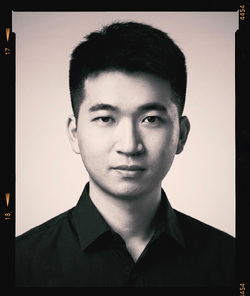
My name is Ruiqi Zhu, and I am currently studying MA Architecture and Adaptive Reuse as a one-year master’s student. I come from Guangdong, China, where I developed an interest in how cities grow, transform, and carry layers of history within their buildings. Studying adaptive reuse has deepened my curiosity about how architecture can extend the life of existing structures, allowing the past and present to coexist in meaningful ways.

Outside of architecture, I enjoy hiking and listening to music, both of which help me reset and observe the world more carefully. Hiking allows me to appreciate landscape, scale, and orientation — and I’m proud to say I have a very strong sense of direction. Whether navigating a city or a mountain trail, I enjoy understanding how spaces connect and unfold, which naturally influences the way I think about architecture.
Posted 2 Mar 2026 12:15
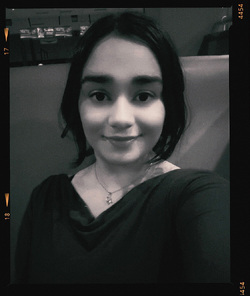
My name is Halima Shakeel, and I am currently in my foundation year of Architecture. I am from the UK, and I’ve always been drawn to creative subjects that allow me to think visually and conceptually. I would describe myself as naturally curious — I enjoy asking questions about how things work, why spaces feel the way they do, and how design can influence everyday life.

Being creative is something that feels instinctive to me, whether through sketching, problem-solving, or exploring new ideas. I’m particularly interested in how architecture can respond to people’s needs in subtle but meaningful ways. As I begin my journey in architecture, I’m excited to continue developing my skills while exploring how thoughtful design can shape both experience and community.
Posted 2 Mar 2026 16:34
Hi! My name is Lee Hin Tung, but you can call me Viann. I’m from Hong Kong and currently studying BA1 Architecture at MSA. Growing up in a dense and dynamic city has shaped the way I observe space, and I’m especially drawn to the small details that define atmosphere and character.

Alongside my studies, I’m developing an online tutoring platform with a friend to provide both free and paid support for students in Hong Kong. I’m passionate about the narrative side of architecture — how space can tell stories and express emotion — and I enjoy translating what I see and experience into thoughtful design.
Posted 2 Mar 2026 20:29
Hi, I’m Yuewen Luo, a first-year MArch student in the CPU(AI) Atelier. I’m originally from Tianjin, China, a city where traditional Chinese architecture sits alongside European-influenced historic buildings. Growing up in this layered urban environment first sparked my curiosity about how different architectural languages can coexist and shape identity.

My undergraduate studies and internship experience in Hangzhou deepened this interest, particularly in how buildings adapt over time. These experiences led me to explore adaptive architecture - understanding how existing structures can be transformed to meet the evolving needs of contemporary society. I’m especially interested in how architecture can balance heritage with innovation in a meaningful way.

Outside of architecture, I’ve recently developed a passion for cooking. I enjoy experimenting with new recipes and flavours, it’s a creative and hands-on way for me to relax, reflect, and recharge.
Posted 2 Mar 2026 20:41
Hi I'm Sherry Ingham

I am currently a postgraduate student in the Master of Architecture programme in the UK. Although I am studying here, I am originally from outside the UK, which gives me a broader perspective on culture, place, and the way architecture responds differently across contexts.

I am deeply passionate about architecture and the role it plays in shaping human experience. I find real joy in designing spaces that do more than function - spaces that inspire, connect people, and create meaningful moments of interaction. For me, architecture is about atmosphere and belonging as much as it is about form, and I’m particularly interested in how thoughtful design can bring communities together while still allowing room for individuality.
Posted 2 Mar 2026 22:07
My name is Xu Binhui, and I am originally from China. After completing my undergraduate studies in architecture there, I chose to continue my academic journey at MSA to expand my perspective. Studying in a new cultural context has allowed me to reflect more critically on the relationship between architecture, technology, and human experience.

I am particularly excited to take part in MSA Live because of its real-world engagement and direct connection with the community. Working on a live project gives architecture a different meaning as it becomes less abstract and more responsive. I am deeply interested in observing how spaces influence behaviour and how people emotionally respond to their environments. Through this project, I hope to contribute to designs that not only function well, but genuinely resonate with and support the communities they serve
Posted 2 Mar 2026 22:39
My name is Hongkai Ru, and I am currently studying MA Architecture and Adaptive Reuse. I come from China, where I developed a growing interest in how cities evolve and how architecture carries history within it. I would describe myself as humorous yet introverted — I enjoy light conversations and finding small moments of humour, but I also value quiet time to reflect and recharge. After a busy week, I usually prefer staying at home, allowing myself space to reset and observe the world more calmly.

I am particularly interested in the renovation and transformation of old buildings. I find it meaningful to give existing structures a new purpose rather than replacing them entirely. To me, adaptive reuse is not just about preservation, but about continuity — allowing old spaces to carry new stories. Outside of architecture, I am passionate about films, TV series, and documentaries, especially those that explore culture, history, and human behaviour, as they often influence how I think about narrative and space in
Posted 3 Mar 2026 15:35
3/2/2026

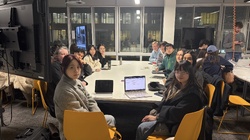
Today marked the beginning of our project journey. We came together for our first team meeting, introducing ourselves not just by name, but through what we each bring to the table — different strengths, ways of thinking, and creative instincts. From there, we carefully distributed roles based on these traits, setting a clear structure for how we’ll move forward collectively rather than as individuals.

Before meeting our collaborator, we carried out some initial site and contextual research to ground our ideas. The ambition is to transform the space beside Monton Unitarian Church into a vibrant social hub — somewhere that feels open, welcoming, and active. We envision community picnics spilling across the grass, outdoor cinema nights at dusk, and informal gatherings that strengthen neighbourhood connections.

Later, we had the privilege of meeting Anna, the Unitarian Minister. Her insights shifted our perspective beyond just designing a space — she spoke about care, inclusivity, and what community truly means in Monton. That conversation reframed the project for us. It became less about programming events and more about creating an atmosphere: somewhere people feel safe to gather, pause, and belong.
Posted 3 Mar 2026 17:17
19/2/2026

Today we regrouped and reassessed where the project was heading. Rather than shifting away from the original brief, we made a conscious decision to refine it — grounding our ideas in clearer research and defining a more specific user focus. The aim was to strengthen our response to Monton Unitarian Church and its ethos of care and openness, while ensuring the proposed expansion of the community garden feels purposeful rather than generic.

To work more efficiently and avoid individual overload, we divided into smaller sub-groups, each responsible for a focused area of development. This allowed us to move forward with clarity and shared accountability.

We allocated the following strands:

Site Analysis – mapping the surrounding community and studying environmental conditions such as sunlight, prevailing winds, rainfall, noise, and orientation.

Defining Our Niche – identifying a specific user group to design for, ensuring the proposal feels intentional and socially responsive.

Precedent Studies – researching projects that thoughtfully expand or layer community gardens without losing their character.

Project Clarification – aligning as a team on what we are proposing, why it matters, and how it connects back to the brief.

Project Timeline – structuring our workflow and key milestones to keep momentum and accountability.

This meeting felt like a turning point — less about generating ideas, and more about sharpening them with purpose and direction.
Posted 3 Mar 2026 17:20
3/3/2026

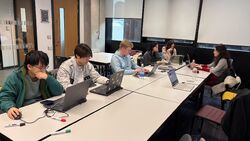
Todays session began on a strategic note. Before jumping into design, we sat down to carefully structure the framework around it — finalising and discussing the Budget, Risk Assessment, Ethics, and our Project Timeline. It was important for us to ground the project in reality, ensuring that our ideas are not only ambitious but responsible, feasible, and aligned with the values of Monton Unitarian Church.

As the conversation developed, it naturally transitioned into early design thinking. With clearer constraints of budgets and risk assessments and a direction in place, we began preparing material to pitch to the client.

Each of us brought forward relevant precedents, which we analysed collectively, asking how they support user wellbeing, encourage gathering, and create moments of retreat. We sharpened our focus on our chosen user group and considered how the proposal could reflect both the client’s ethos and the lived experiences of those we are designing for.

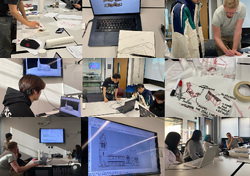
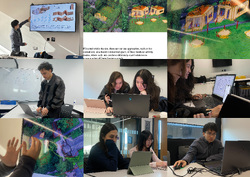
A major milestone for this session was the completion of our 3D site model. Having a digital base to work from allowed us to begin experimenting visually. Testing massing ideas, exploring spatial relationships, and conceptualising how our intervention might sit within the existing context. Moving between conversation, sketching, and modelling made the process feel dynamic and collaborative, marking the first real moment where our research began to translate into form.
Posted 3 Mar 2026 17:57